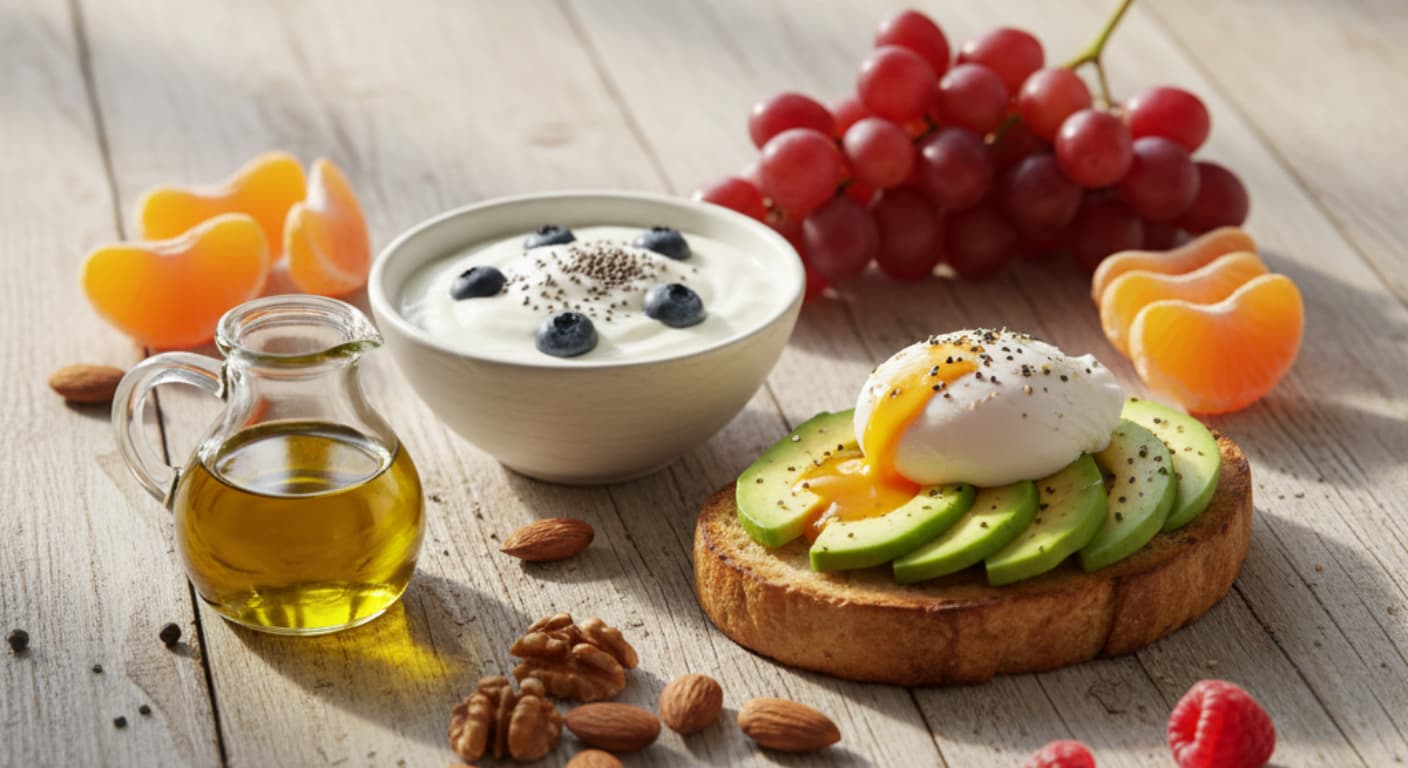
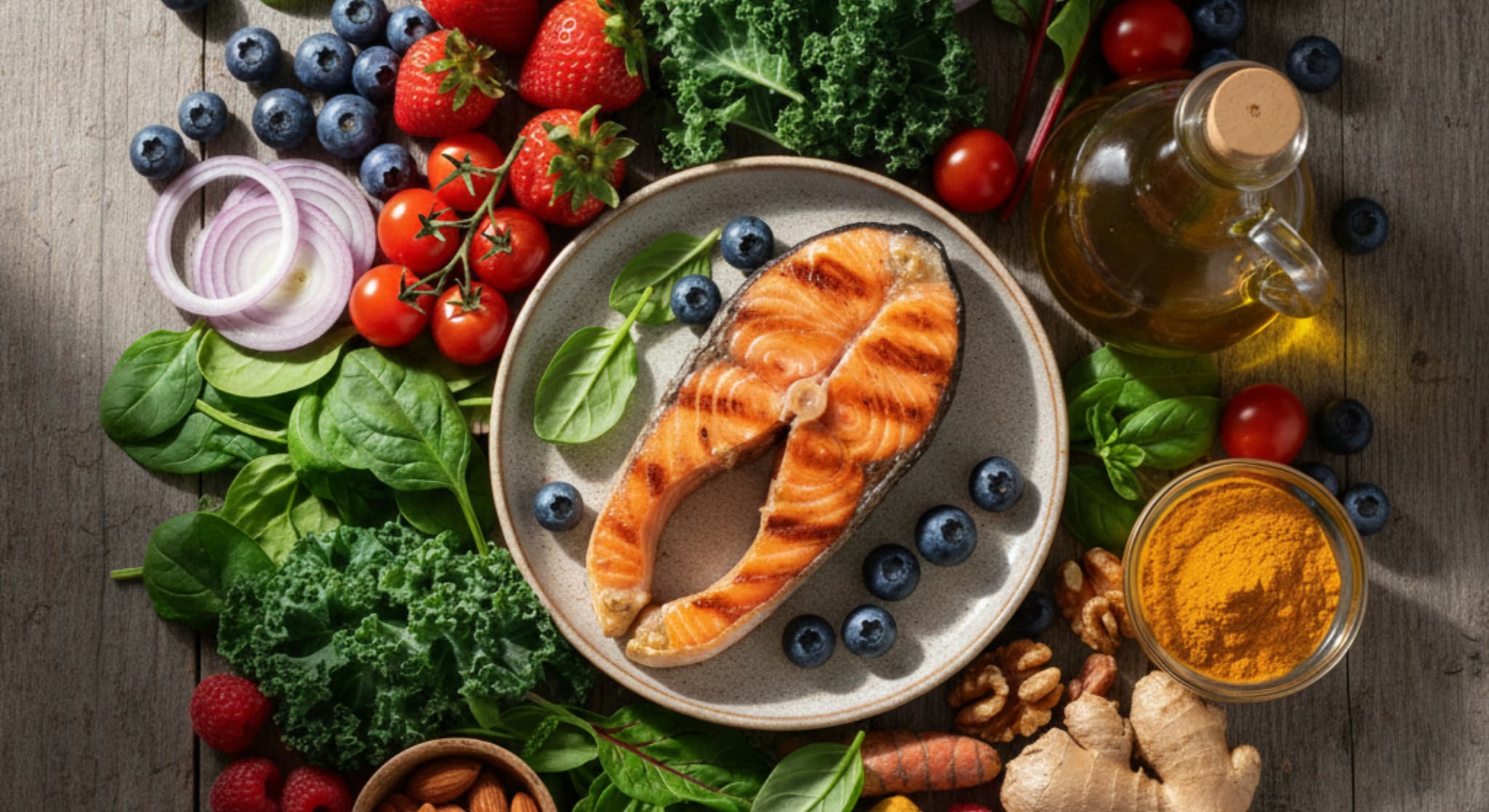
Inflammation. It’s a word that gets tossed around casually in doctor’s offices and splashed across wellness magazines until it almost loses its meaning. But for many people, it’s not abstract at all.
It’s the stiffness in your fingers when you wake up.
It’s the brain fog that feels like wading through wet cement at 2 PM.
It’s the silent, invisible engine behind many chronic diseases.
Here’s the simple, undeniable truth: every time you eat, you are either fueling that fire or putting it out.
This isn’t about restriction, punishment, or starving yourself. It’s about chemistry.
Your fork is one of the most powerful tools you have to change how your body feels — starting today.
Inflammation: A Double-Edged Sword
Think of inflammation as your body’s emergency response team.
You cut your finger. It turns red and warm. That’s acute inflammation — and it’s a hero. It heals you.
But there’s a darker side.
When the alarm system gets stuck in the on position, that’s chronic inflammation. It simmers quietly in the background, often unnoticed for years. And it doesn’t just hurt — it damages.
Heart disease.
Diabetes.
That feeling of premature aging.
They all thrive on this low-grade internal fire.
Your diet is the thermostat.
Ultra-processed foods turn the heat up.
Whole, real foods help cool it down.
How Anti-Inflammatory Foods Actually Work
How does a blueberry help a sore knee?
It sounds like magic, but it’s pure biology.
Anti-inflammatory foods work on multiple levels:
- They neutralize free radicals — unstable molecules that damage cells
- They signal your genes to calm inflammatory responses
- They support the gut microbiome, which plays a central role in immune health
Let’s look at the foods that do the heavy lifting.
🫐 1. Berries — The Tiny Giants
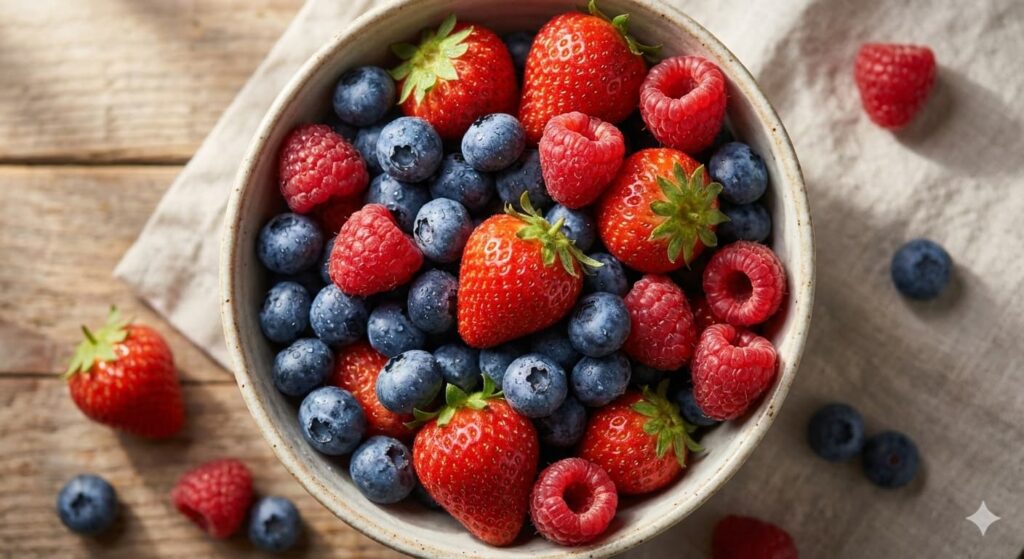
Don’t let their size fool you. Blueberries, strawberries, and raspberries are packed with polyphenols, especially anthocyanins — the compounds that give them their deep jewel tones.
Nature tends to color-code its medicine.
Why they matter:
Research consistently shows that berries lower inflammatory markers in the blood, protect brain function, and fight oxidative stress more effectively than most fruits.
The move:
Add them to yogurt, blend them into smoothies, or eat them by the handful straight from the fridge.
🐟 2. Fatty Fish — The Oil Change
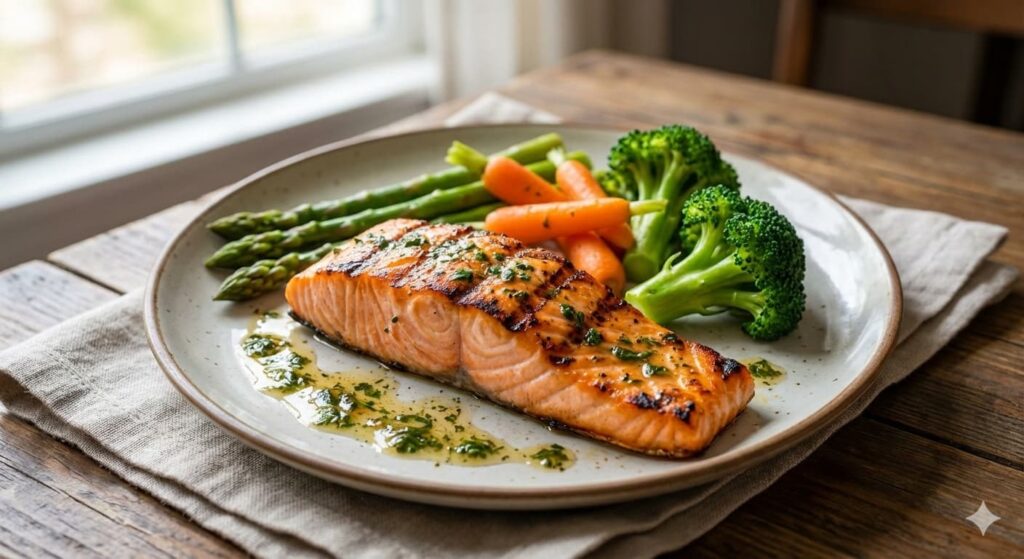
You need fat to fight inflammation — just the right kind.
Salmon, sardines, and mackerel are rich in omega-3 fatty acids (EPA and DHA). Most modern diets overload omega-6 fats from cheap vegetable oils, which promote inflammation. Omega-3s restore balance.
Why they matter:
They ease joint pain, support brain health, and keep inflammation in check.
The move:
Aim for fatty fish two to three times per week. Sardines are especially powerful. If they’re not your thing, slow-roasted salmon works beautifully.
🥬 3. Leafy Greens — Nutrient Powerhouses
Spinach, kale, and Swiss chard are far more than salad fillers. They’re packed with vitamins A, C, and K, acting like cellular armor.
Why they matter:
They’re rich in magnesium — a mineral many people lack. Low magnesium levels are closely linked to chronic inflammation.
The move:
Skip dry salads. Sauté greens with olive oil and garlic. The fat actually helps your body absorb the nutrients.
🫒 4. Extra Virgin Olive Oil — Liquid Medicine
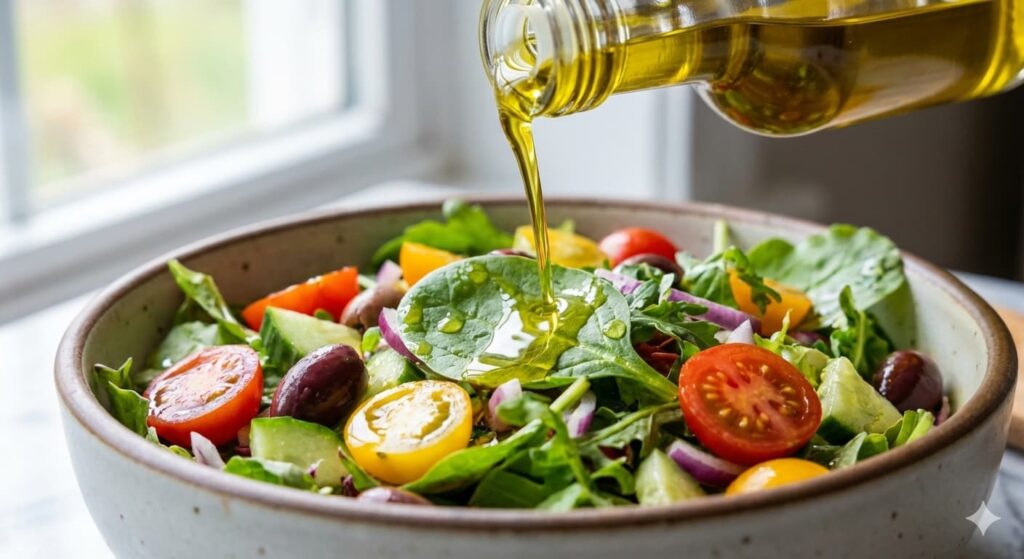
There’s a reason the Mediterranean diet sets the gold standard for health.
Extra virgin olive oil contains oleocanthal, a compound that works on the same pain pathways as ibuprofen. It’s literally natural, liquid anti-inflammatory medicine.
The move:
Use it generously — but gently. Drizzle it over finished dishes. Avoid burning it at high heat.
🍅 5. Tomatoes — Better When Cooked
Red means lycopene, a powerful antioxidant linked to heart and skin protection.
The secret:
Tomatoes become more anti-inflammatory when cooked. Heat breaks down their cell walls, making lycopene easier to absorb.
The move:
Think roasted tomatoes, slow-simmered sauces, and hearty soups.
🥜 6. Nuts and Seeds — Concentrated Nutrition
Walnuts, almonds, chia seeds, and flaxseeds are dense packages of fiber, protein, and healthy fats.
Why they matter:
Walnuts stand out for their omega-3 content. Regular intake is associated with lower levels of C-reactive protein (CRP), a key inflammation marker.
The move:
A small handful makes a great snack. Just watch portions — they’re powerful.
🧄 7. Garlic and Onions — The Allium Advantage
They might challenge your breath, but they protect your health.
Garlic and onions contain sulfur compounds that strengthen immunity and shut down inflammatory pathways.
The trick:
Crush garlic and let it sit for 10 minutes before cooking. This activates its most powerful enzymes.
The move:
Use them everywhere — soups, roasted vegetables, dressings, and marinades.
🍵 8. Green Tea — Calm, Not Jitters

While coffee stimulates, green tea protects.
It’s rich in EGCG, one of the most studied antioxidants linked to longevity and reduced inflammation.
The move:
Swap your second coffee for green tea. Skip the sugar — it defeats the purpose.
🌿 9. Turmeric & Ginger — The Root Duo
Turmeric delivers curcumin. Ginger brings gingerol. Together, they form a powerful anti-inflammatory pair.
Why they matter:
Curcumin rivals pharmaceutical anti-inflammatories in studies — without the side effects.
The move:
Always pair turmeric with black pepper. It boosts absorption by up to 2,000%. Curries and spicy teas are easy wins.
🍫 10. Dark Chocolate — Yes, Really
But there are rules.
It must be 70% cocoa or higher. Milk chocolate is candy. Dark chocolate is medicine.
Rich in flavanols, it helps keep blood vessels flexible and inflammation low.
The move:
One or two squares after dinner. Enjoy the bitterness — that’s the good part.
The Villains: What to Limit
You can’t fight inflammation while pouring gasoline on the fire.
Limit:
- Refined sugar
- Ultra-processed foods
- Industrial vegetable oils (soybean, corn, canola)
- Excess alcohol
This isn’t about perfection. It’s about direction.
Making It Stick
Don’t overcomplicate it.
Look at your plate:
- Is there color?
- Did it grow in the ground?
- Is there a healthy fat?
Start small. Add flaxseeds to oatmeal. Choose salmon over steak once a week. Drink more water.
Your body is resilient.
It wants to heal.
It just needs the right raw materials.
Listen to it.